180° Pallet Inverter and pallet exchanger
Stationary 180° pallet inverter with twin clamping for full-load pallet exchange. Representative specs, selection limits, and an inquiry checklist.

180° Pallet Inverter
Visual Details
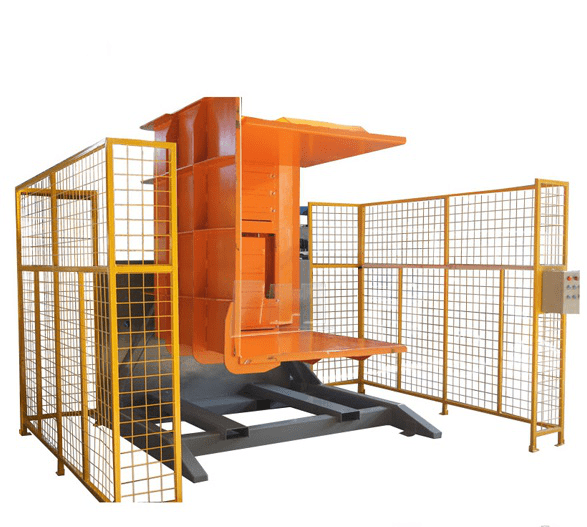
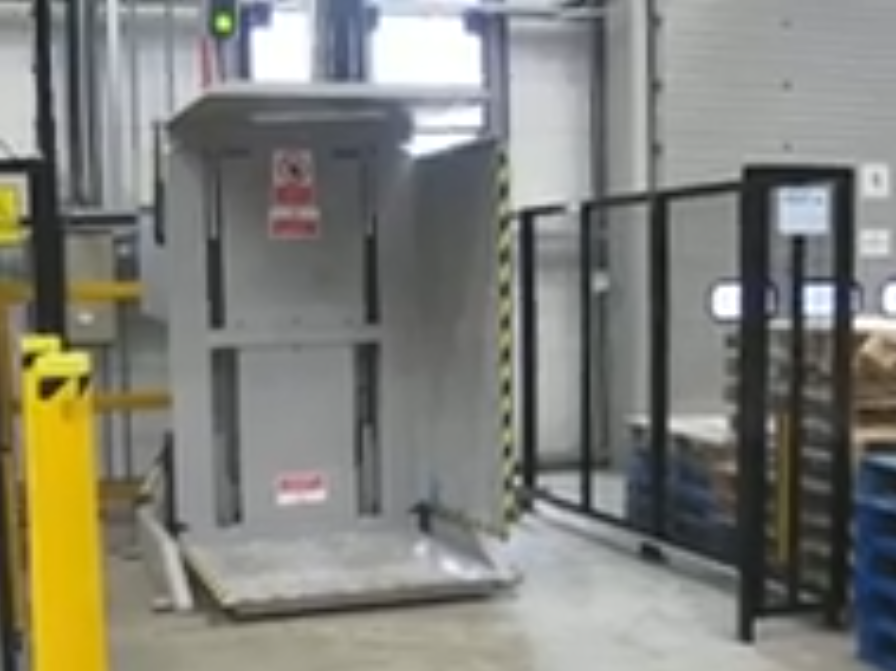
Click to enlarge
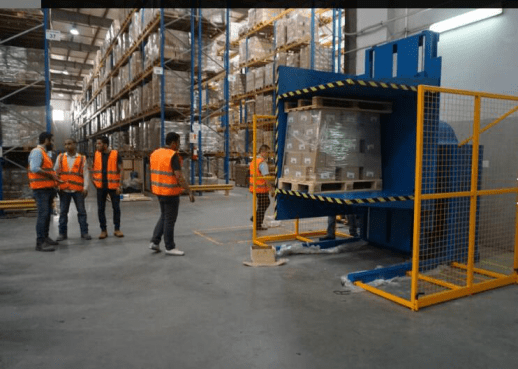
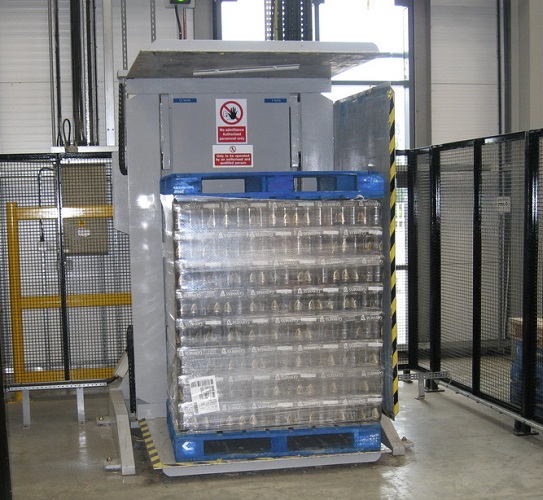
Click to enlarge

Click to enlarge
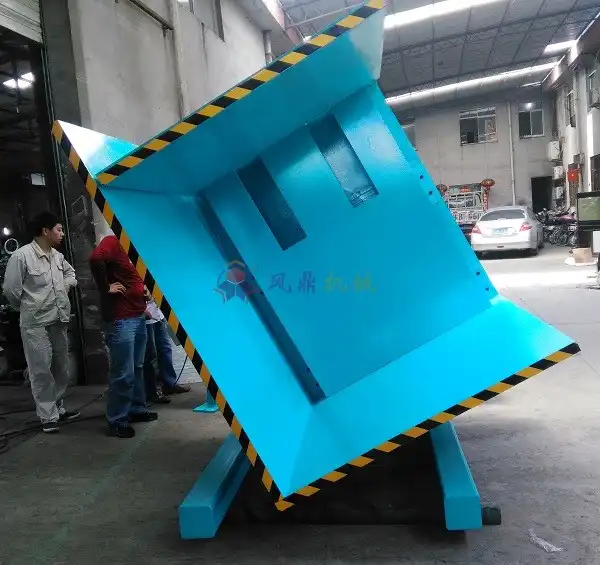
Click to enlarge
Watch How It Works
Discover how our automated packaging solutions optimize your production line efficiency. This video demonstrates the seamless operation designed for maximum protection.
Product Overview
A stationary 180° pallet inverter clamps a full palletized load between twin plates, rotates it upside down, and holds it so a damaged or non-compliant pallet can be swapped without manual restacking. It is the right machine class when your goods tolerate inversion; if they do not, the decision moves to a 95° tilt exchanger or a push-type changer.
The machine clamps a whole palletized load between an upper and a lower plate. Twin clamping closes on the load with adjustable pressure, automatic load locking engages, and the clamp assembly rotates 180° so the load is fully inverted. The pallet that was underneath is then exposed on top: the old or damaged pallet is removed, a replacement pallet is placed against the uppermost face of the inverted load, and the assembly rotates back, leaving the goods on the new pallet. Position sensors monitor the clamped and rotated positions, and an emergency stop is part of the standard control setup.
Key Specifications
Nominal figures for a representative configuration, confirmed per project:
| Item | Specification |
|---|---|
| Operation | 180° rotation; twin upper + lower clamping; adjustable clamping pressure; automatic load locking |
| Load footprint (pallet + goods) | L 1200 × W 1100–1200 mm |
| Load height | H 1200–2000 mm |
| Clamping travel | Sized to the load height (per project) |
| Maximum load | 1.2 t (representative configuration level; confirmed per project) |
| Cycle time | Approx. 50 s per cycle (representative configuration; final value confirmed in the quotation) |
| Power | 2.2 kW, 380V / 50Hz |
| Infeed | Forklift or conveyor (standard options); ramp / pit / low-table for pallet-truck feeding (per project) |
| Safety features | Position sensors; emergency stop |
Representative values are for selection reference; final specifications are confirmed per project.
How It Works
The pallet exchange follows five steps:
-
Infeed
The loaded pallet is placed on the machine table. Forklift and conveyor infeed are standard interface options. Because the fixed table has a working height and a frame, hand pallet trucks or carts may require a ramp, or a pit / low-table configuration — this is decided per project.
-
Clamping
The upper and lower plates close on the load. Clamping pressure is set to suit the packaging, not higher than it needs to be.
-
Rotation
The load, locked in the clamps, rotates 180°; position sensors confirm each position. The load is now upside down, with the original pallet on top.
-
Pallet swap
The exposed original pallet is removed, and the replacement pallet is placed on the uppermost face of the inverted load. It will sit under the goods again as the load rotates back.
-
Return and outfeed
The load rotates back and the clamps open; the goods leave on the new pallet by the infeed method configured for your project.
Trusted by Steel Mills & Industry Leaders
Global manufacturers rely on FHOPE heavy duty packaging equipment


Ready to optimize your packaging line?
Get a custom quote with ROI analysis. Our engineers respond within 24 hours.
- Free layout design
- Global installation support
- 2-year warranty included
Your information is secure and will never be shared.
Related Machines
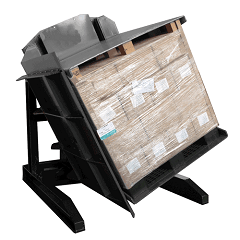
Pallet tipper
View Details →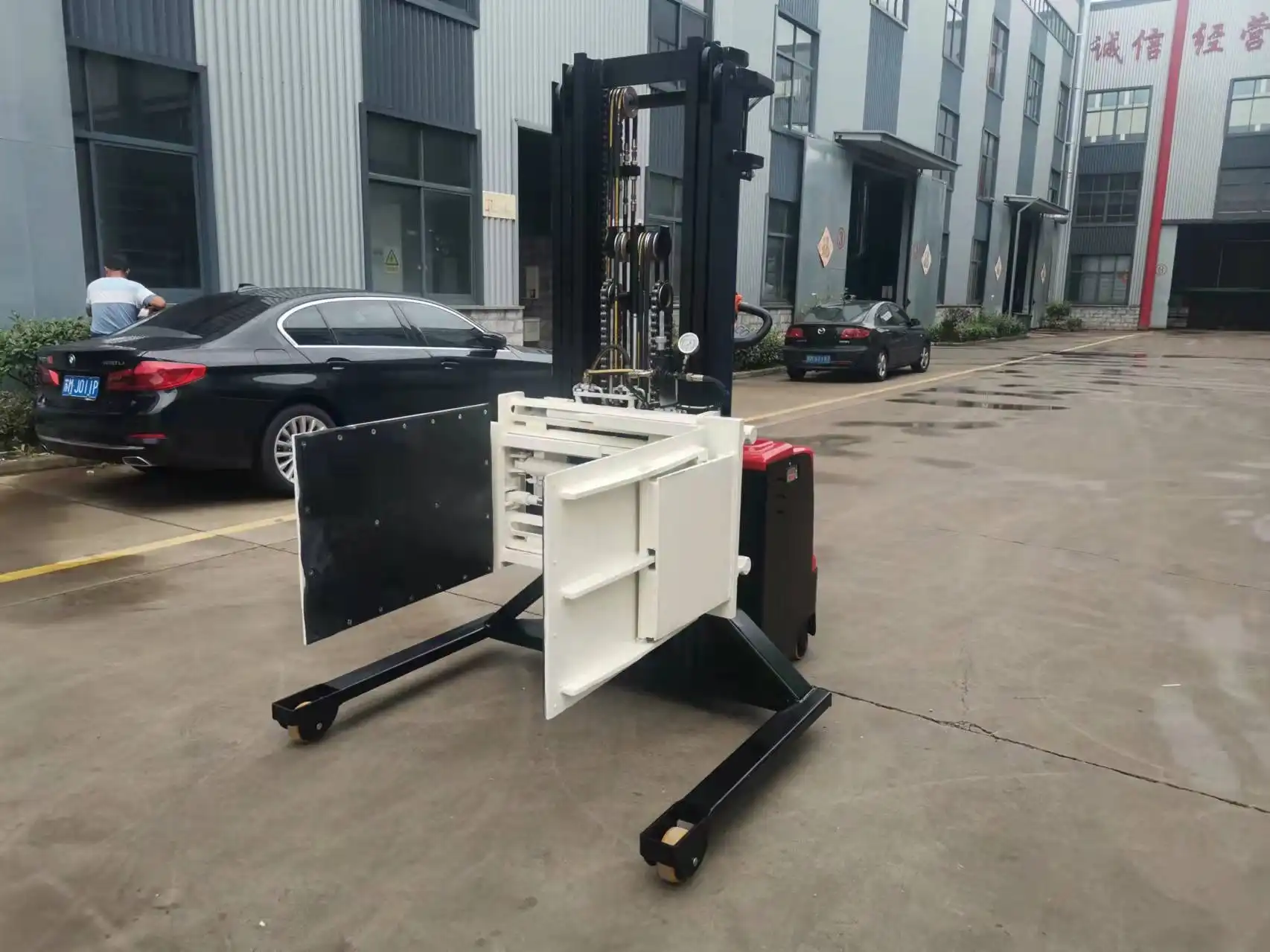
Mobile Pallet Changer - Side Press
View Details →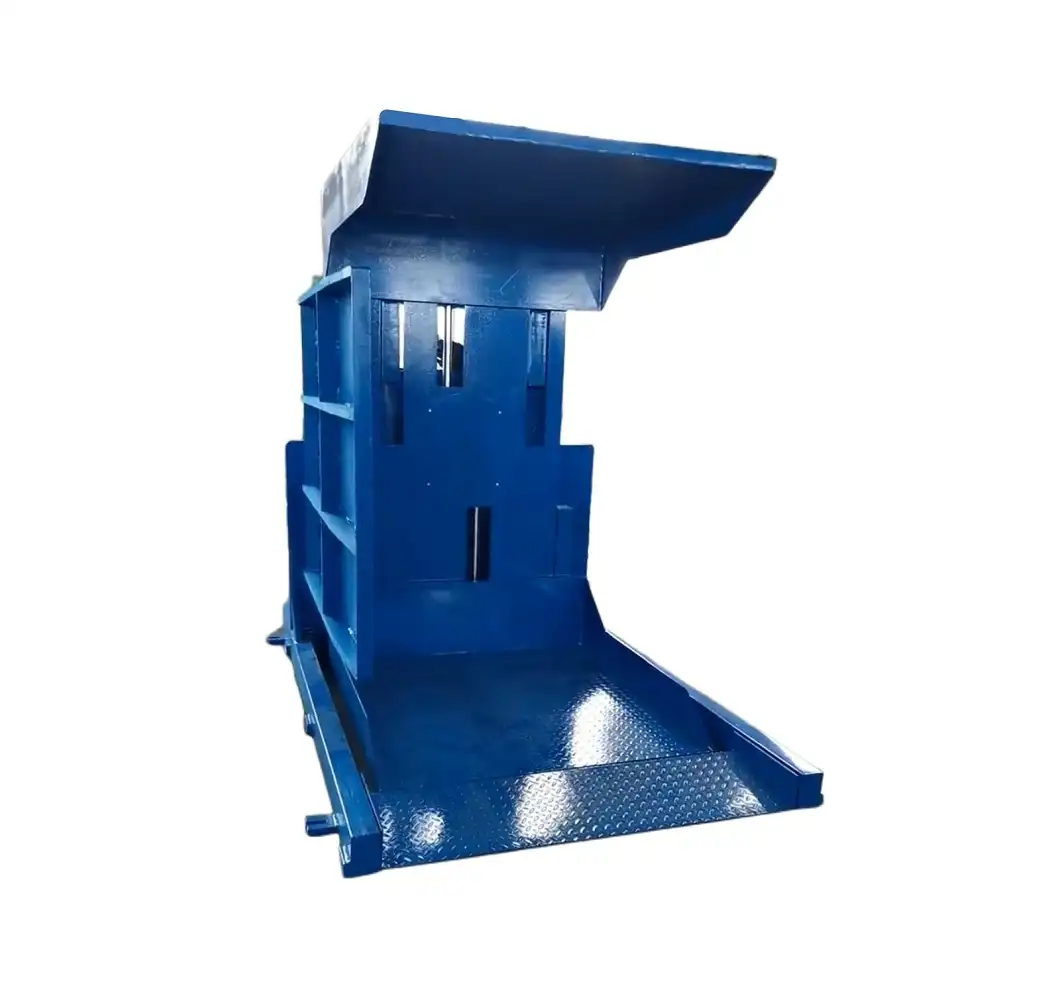
pallet inverter | floor level handling
View Details →
Pushing type pallet changer
View Details →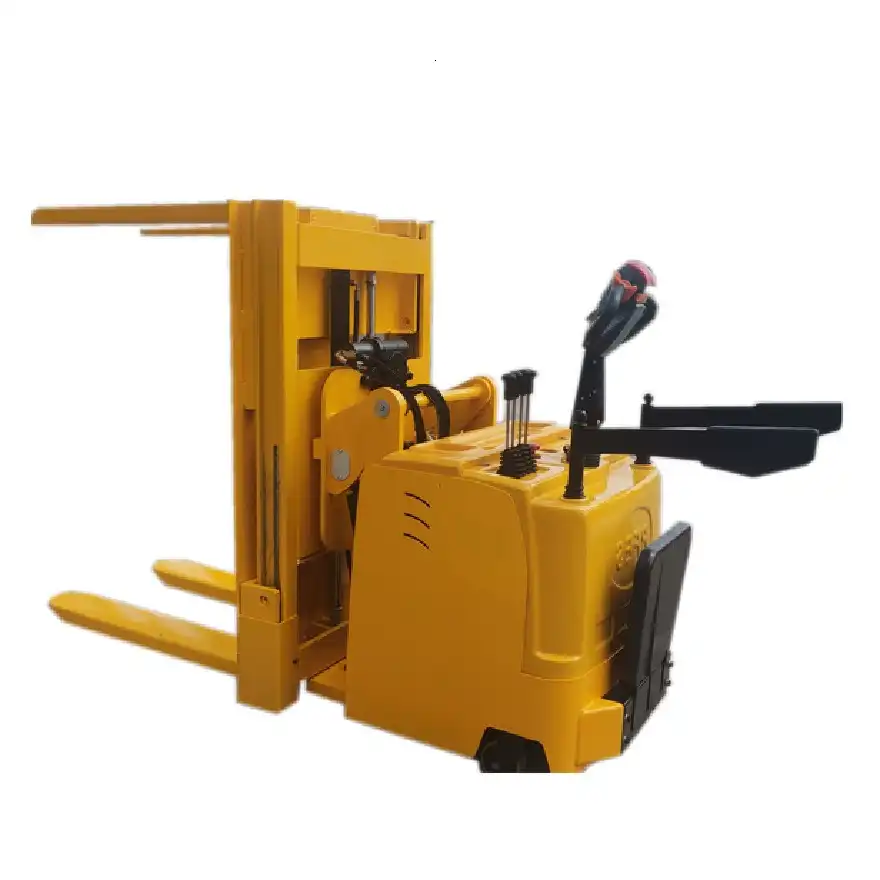
Mobile pallet inverter
View Details →
Mould Tilter/Mould Tilter
View Details →
Inline pallet changer | pallet changing line
View Details →
V-Shape pallet changer
View Details →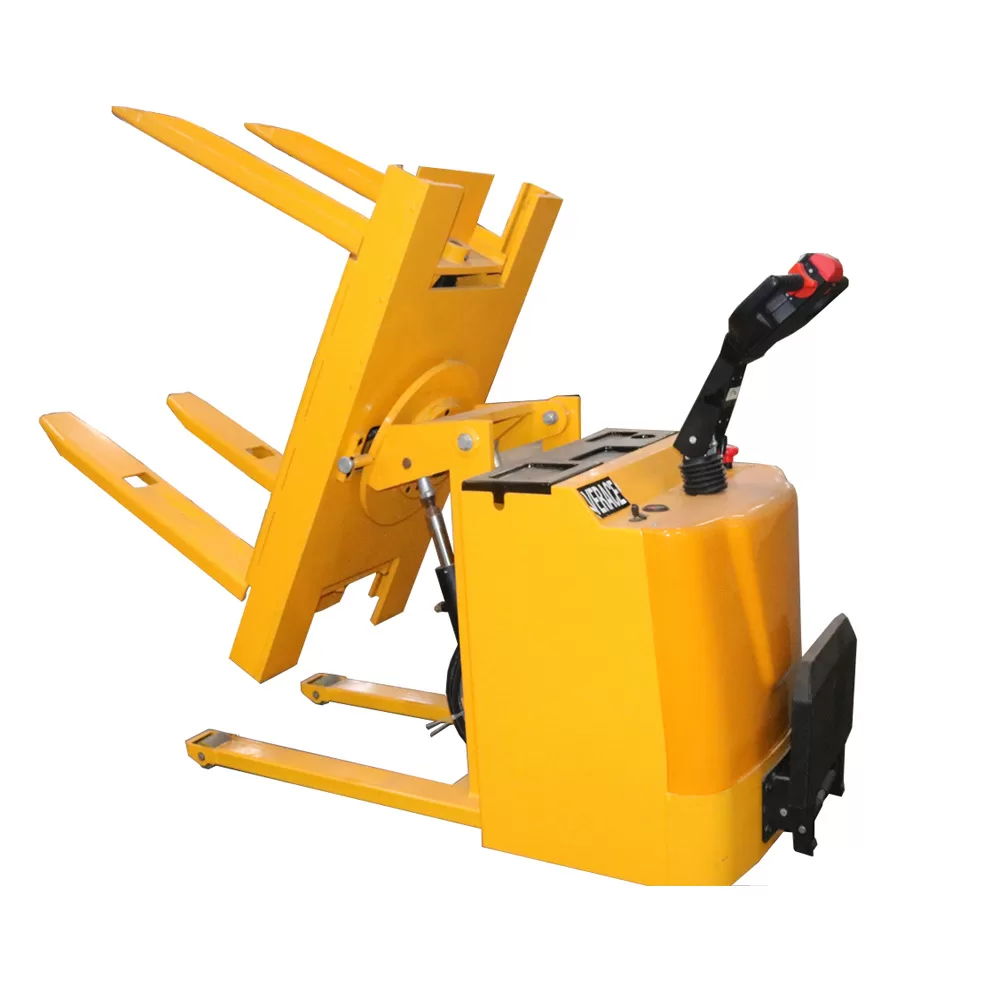
Mobile pallet changers
View Details →
pallet changing machine
View Details →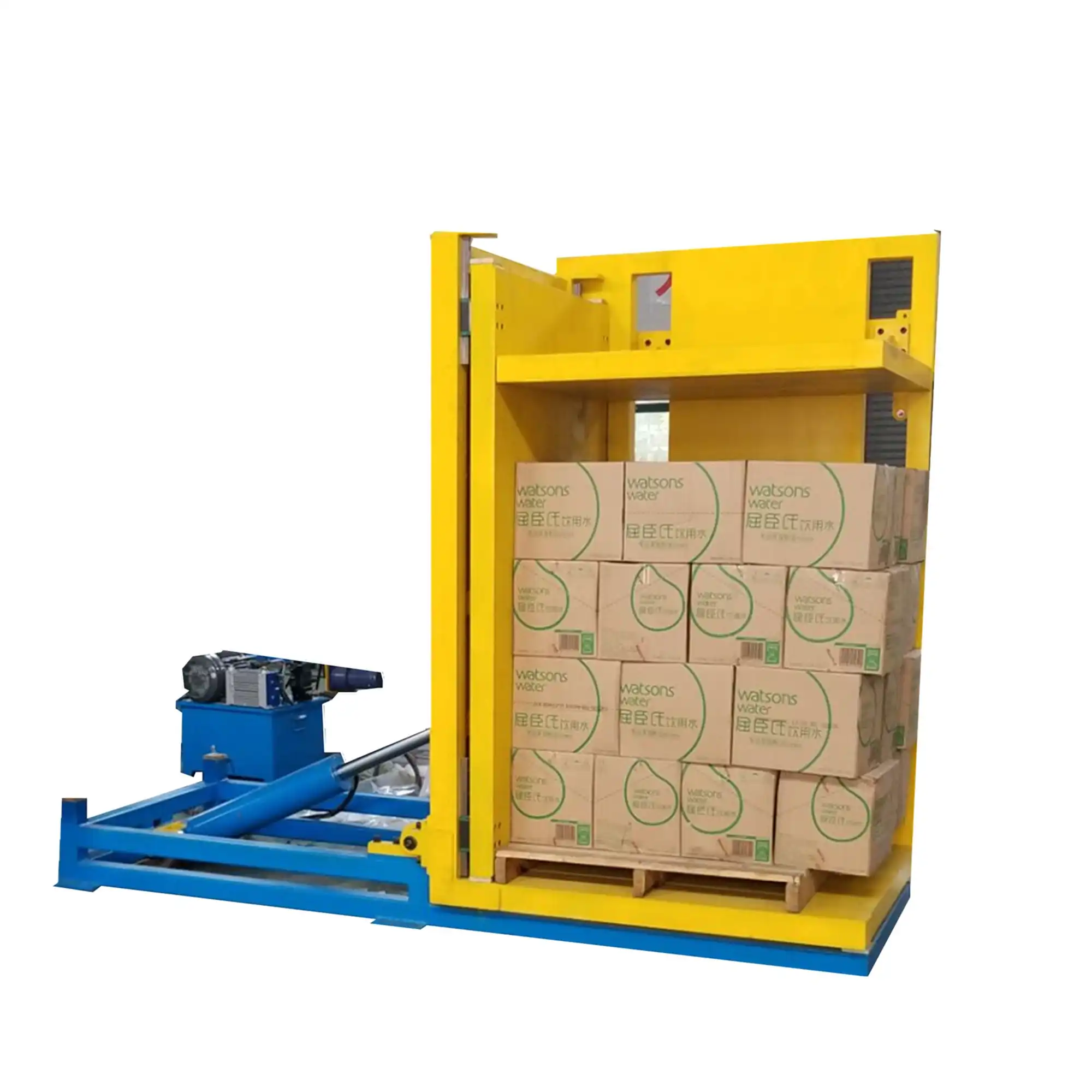
95 ° Pallet Exchanger
View Details →
Pallet inverter-D series
View Details →
Pallet inverter-C series
View Details →
pallet inverter-B series
View Details →
Pallet exchanger
View Details →
Pallet inverter-A series
View Details →